


The effects of sleep quality on fat loss exceed people’s imaginings by far. Good sleep does not only involve sleep; it is a potent fat-burning instrument. When you get a good sleep, your body is healed, there is a balance of the hunger hormones, and the metabolic process is also maintained effectively. However, it is the reverse when sleep is affected. Fat burning becomes slow. Hunger skyrockets. Dieting is as though one were pushing a boulder up an incline. Thousands of people are so concerned with diet and physical exercise, but they forget about sleep—this third invisible pillar of health. It is a stumbling block to a fitness plan, no matter how great. This is why learning how sleep quality impacts fat loss could be the missing link!
Just imagine that you are up so late, and it is already very late at night. When you wake up the following day, you are exhausted, in need of a sweet snack, and you consider missing your exercise. It goes outside simply being fatigued. Lack of sleep alters hunger hormones, increases junk food cravings, and reduces judgment. Research indicates that even a few nights of insufficient sleep can result in a slower metabolism and an increase of belly fat. And that is how deeply sleep quality affects fat loss, showing the effects of Sleep Quality on fat loss. Master your sleep, and you will open up more energy, accelerated fat loss, and consistency that you have been seeking.
This article will explain why sleep quality impacts fat loss and how it could be that gap in achieving your weight loss goals. You are not alone if you have been dieting and exercising, and yet you feel you have hit a plateau. Here is the promise: a good sleep will allow you to burn additional fats, fully regulate cravings, and gain energy without having to spend extra hours at the gym. You will learn how poor sleep disrupts hormones, slows metabolism, and promotes fat storage, along with proven ways to improve rest so your body works for you, not against you, highlighting the effects of sleep quality on fat loss.
Does sleep affect your weight loss journey?
Sleep does have a direct correlation with weight loss—hormonal and metabolic effects of sleep quality impact fat loss. Lack of sleep increases the appetite (hunger) hormones such as ghrelin and decreases the leptin hormone, thereby causing one to overeat. It also dampens exercise energy and slows fat burning. Healthy habits and weight control are supported by good rest.
Sleep deprivation makes people insist on eating sweets and fatty foods. Sleep quality impacts fat loss since it influences decision-making, which causes poor food choices. Even minor deprivation in sleep can reduce metabolism and cause an increase in fat. When you sleep adequately, dieting is easier; it’s less likely you will overeat, and your body will burn calories at a higher rate.
Why is sleep important to weight loss?
Sleeping regulates the metabolism, urges, and desires. The effects of sleep quality on fat loss are due to its role in the regulation of leptin and ghrelin, where the hormones control appetite. Lack of sleep would mean that you will consume more food, exercise less, and accumulate more fat. Sleep aids the body in restoring itself and builds a day filled with regular calorie burn.
Sleep helps in enhancing physical stamina and eating healthy. Effects of sleep quality upon fat loss include the prevention of stress-eating-related patterns and the stabilization of blood sugar. Sleeping also aids in muscle recovery after exercise, which increases your metabolism. The effect is improved weight loss and weight regulation.
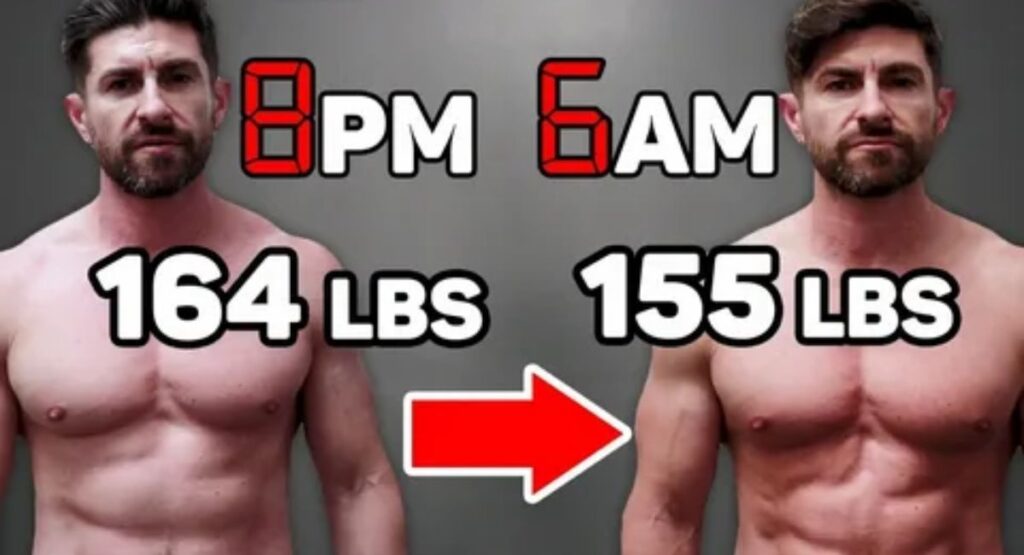
Is looking chubby at night normal?

It’s typical, yes. Your meals, water retention, or salt intake could make you look full because of evening bloating. Fat loss is affected by sleep quality, as a lack of rest predisposes fluid retention. Poor sleep can lead to poor metabolism, poor digestion, and poor inflammation, causing you to look and feel slim in the morning.
There is a difference in food processing throughout the day in your body. Puffy eyes can be the side effect of late-night snacking, bad sleeping, and stress. Cures for fat loss should include sleep quality impacts because it maintains the balance of hormones and gets rid of bloating. A sound sleeping routine will give your body time to empty out unwanted water in your system and stabilize your metabolism throughout the night.
Why do you feel fat when you don’t sleep?
Sleep deprivation destabilizes your body water, hormones, and digestive system. Effects on sleep quality are another aspect of fat loss, as it prevents unwanted and excessive fat storage and bloating. Insufficient sleep increases levels of cortisol, resulting in water retention and sugar cravings, and making you feel heavier and more sluggish throughout the ensuing day.
When deprived of sleep, digestion is also slowed, and there are more hunger cues. Sleep Quality Impacts—Manages to burn body fat through efficiency in the usage of body energy. When people do not get adequate rest, their metabolism becomes slower, their appetite is higher, and their food preferences deteriorate. By this combination, you will feel heavier even though you may not have experienced any decimal change in your fat levels.
How many hours of sleep does it take to lose belly fat?
The majority of grown-ups require 7-9 hours of sleep time, which is also quality sleep, to assist in fat burning. Effect of Sleep Quality on Fat Loss: It keeps the hormone balance and the metabolism going. Poor sleep causes too much cortisol, and that’s what ships the belly fat. Your body is able to rest, burn fat, and handle cravings when you get regular, good sleep. Sleep potentiates the fat-burning impact of diet and exercise, but it will not get rid of your belly alone. The reduction of cravings, blood sugar stability, and improved exercise performance are the ways that sleep quality contributes to fat loss. Uninterrupted deeper sleep will enable your body to burn the fat that you have stored, especially around the abdomen.
Can lack of sleep make you skinnier?
The absence of sleep can lead to temporary loss of weight due to depletion of water, although that is unhealthy. The fat-loss results are due to the sleep quality effects, not muscle loss due to stress. Lack of sleep decreases muscle, slows the metabolism, and causes the body to store more fat, which makes the process of fat loss more difficult in the long run, not easier.
Loss of weight caused by lack of sleep is usually only water loss and not fat loss. The effects of sleep quality on fat loss include muscle retention and calorie burning at a steady rate. Persistent sleep deficit not only damages metabolism but also stimulates hunger hormones and causes overeating, which eventually results in a gain in weight rather than permanent fat loss.
Does sleeping in the afternoon increase belly fat?

No, short naps in the afternoon could not be reduced to the cause of belly fat itself. Sleep quality impacts fat loss because it enhances the quality of rest. A short or brief sleep can increase energy levels and lower stress hormones. Nevertheless, nap duration can and often does interfere with night sleep, and disturbed sleep generates changes in metabolism and eating patterns and thus indirectly may impact belly fat storage.
It is all about the balance. Less than 30-minute post-lunch siestas can aid without setting back fat-loss objectives. The effects of sleep quality on fat loss are supported when your sleep pattern is Poor napping habits can delay bedtime, reduce deep sleep, and interfere with your body’s ability to burn fat efficiently through a healthy metabolism.
Could the use of wearable technology enhance the quality of people’s sleep?
Yes. Wearables measure sleep and sleep quality and give you information in order to make habits better. They help you adjust routines, supporting better rest and boosting fat-loss progress.
Sleep patterns and habits can be monitored by wearing devices—there are fat-loss effects of sleep quality when you have self-awareness of your rest quality. Sleep trackers monitor movement, heart rate, and sleep phases, which enables you to unravel trends that may be detrimental to fat loss. This consciousness facilitates improved bedtime and healthy lifestyle changes.
There are wearables with soothing alarms, breathing, and sleep coaching. Effects of Sleep Quality on Fat-Loss Certain sleep quality factors promote regular rest and the mitigation of sleep deprivation. Based on proper data, it is possible to change the sleeping schedule, deal with stress levels, and establish habits that will enhance both weight control and health.
Sleep Quality Impacts Your Fat-Loss Without Changing Your Diet
By enhancing sleep, you could lose fat without any drastic changes in diet. Fat-Loss and Sleep Quality Impacts – The incorporation of good sleep will help balance body hormones, diminish desires, and stimulate the metabolism naturally. A good sleep assists your body to use your calories better, and you can even maintain the same food consumption.
Improved sleeping reduces cortisol levels, which decreases the belly fat storage. The effects of sleep quality on fat loss lie with the enhancement of recovery, the enhancement of insulin sensitivity, and the maintenance of stable energy levels. This implies that you can achieve the results without exact and radical diets, as you will achieve them easily by enhancing sleep hygiene.
Weight loss tips to sleep well

Here are some simple tips to help you sleep better and support your weight loss journey.
1-Keep a Constant Sleep Rhythm
Maintain a regular sleep and morning routine, and stick to this schedule even on weekends so that your body clock keeps enjoying good sleep.
2-Make Yourself a Bedtime Routine
Get someone to read a bedtime story to you, meditate, listen to soothing music, or read a book to allow for your brain to realize it’s bedtime.
3-Cut Down Screening Before Bedtime
Limit exposure to blue light; turn off phones, TVs, and computers at least 60 minutes before sleep.
4-Cool and Darken Your Bedroom
Blackout curtains and a temperature between 18 and 20 as well as 64 and 68 will help improve deep sleep.
5-Avoid Eating Heavy and Late Dinners Late at Night
In order to prevent digestive disturbances, make sure that dinner is consumed not less than two to three hours before bedtime.
6-Evening trim—Caffeine and Alcohol
Both would decrease good sleep and the cycles of sleep.
7-Go out in the morning sunshine.
Early morning natural light aids in the maintenance of frequent time zones.
8-Take Exercise But In Time Not Late
On the one hand, exercise improves sleep, but engaging in hard labor before bedtime will cause insomnia.
9-Control Levels of Stress
Practice yoga or journal/breathe deeply before bed so you can relax.
10-Cut Daytime Sleeping
The daytime sleep time extending more than 30 minutes or being too near to bedtime
FAQS
1. Will getting more sleep help me lose weight?
Yes. Getting enough sleep supports weight control by facilitating metabolism, lowering the desire for calorie-rich foods, and maintaining levels of the hunger hormones leptin and ghrelin.
2. What is the ideal sleep duration for weight loss?
To maintain their metabolism and regulate their appetite, most adults need 7 to 9 hours of quality sleep every night.
3. Could I gain weight even if I eat healthily if I don’t get enough sleep?
Yes. Your body will store more fat if you don’t get enough sleep because it will slow down your metabolism, increase cortisol levels, and decrease insulin sensitivity.
4. Will I burn more calories by sleeping more?
Yes, indirectly. Although physical activity burns more calories than sleep, getting enough sleep increases energy, balances hormones, and improves workout performance, all of which contribute to fat loss.
5. What tips can help improve sleep during weight loss?
What are some suggestions for enhancing sleep while losing weight?
Keep a regular sleep schedule, limit caffeine after midday, keep your bedroom cool and dark, avoid screens for an hour before bed, and establish a calming nightly routine.
Final Thoughts
The effects of Sleep Quality on fat loss are even greater than most people estimate. Adequate sleep maintains the concentrations of leptin and ghrelin, which are the hunger hormones. It becomes more convenient to control hunger and avoid the temptation to consume fatty, salty, or sugary food. Sleep deprivation leads to increased cortisol, deficiency of oxygen, and sluggish metabolism, which in turn may be attributed to weight gain. It also makes one develop insulin resistance, glucose insensitivity, and daily life issues.
The fact that you fail to sleep well may alter your willingness to eat a big portion of food or high-energy foodstuff, and this may complicate exercise and reduce the level of physical activity.
Good sleep hygiene will better enhance proper burning of fat in your body. Fat loss comes with improved metabolism, better balance of hormones, and weight control due to adequate sleep. Having a sufficient amount of sleep decreases the level of stress, promotes control over appetite, and lessens the possibility of metabolic diseases and chronic conditions. Because sticky foods and snacks won’t get you a high ratio, it makes dieting easier. Getting a good night’s sleep makes regular light exercise more enjoyable. Avoiding large meals right before bed, creating calming bedtime practices, and limiting the amount of artificial light can all have a major effect, showing the effects of Sleep Quality on fat loss. Remember that SQI is just as important for fat loss as diet and exercise.
Metadescription
Unlock faster fat loss by understanding the effects of Sleep Quality on fat loss. Improve energy, balance hormones, and boost your results naturally.
