

Introduction
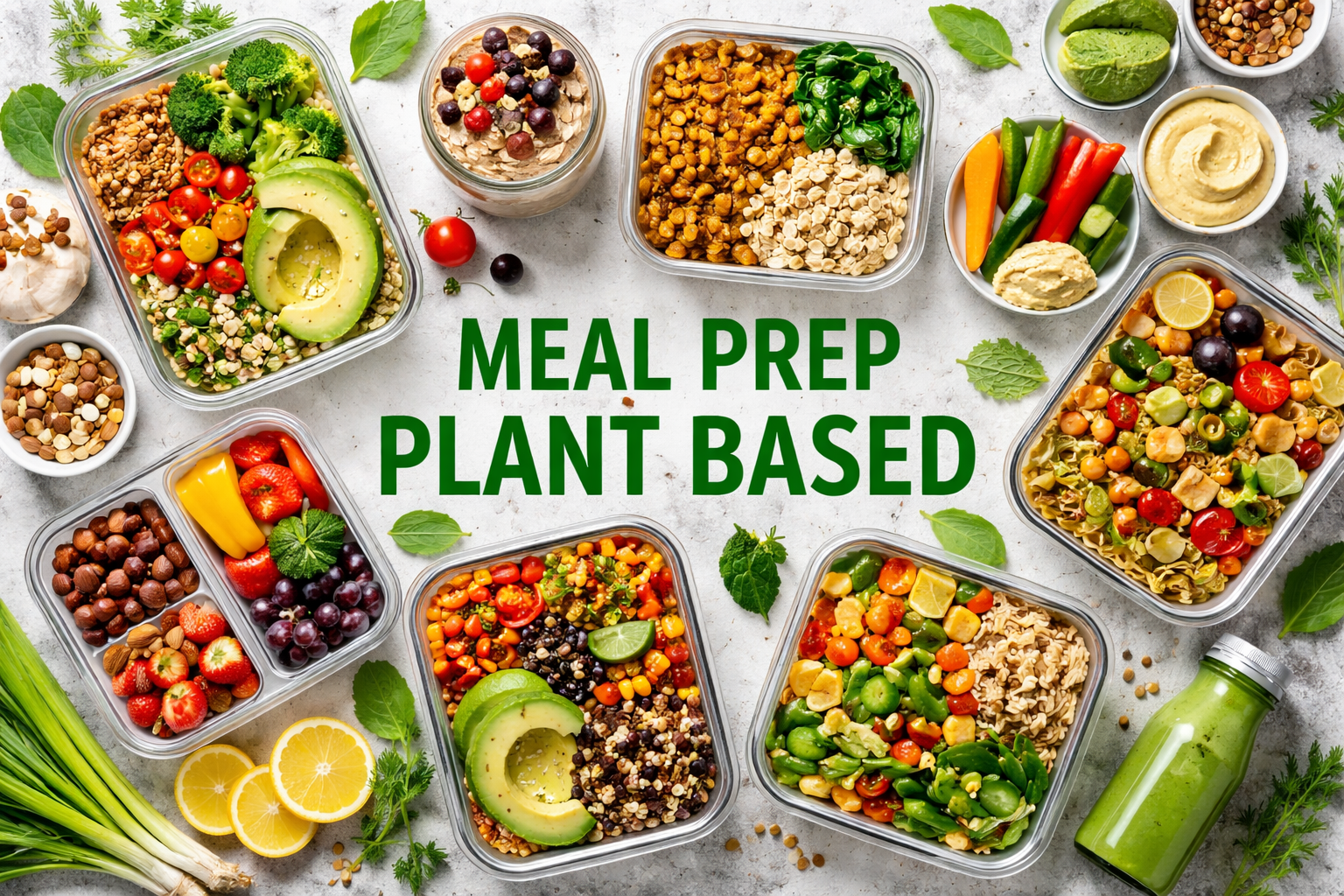
Meal prep plant based is one of the most effective ways to maintain a healthy lifestyle while saving time and money. In today’s fast-paced world, many people struggle to eat nutritious meals consistently. This is where plant-based meal prep becomes a game changer. It allows you to prepare wholesome, nutrient-rich meals in advance using vegetables, fruits, grains, legumes, nuts, and seeds. By planning your meals ahead, you eliminate the stress of daily cooking and reduce the temptation to rely on unhealthy fast food options.
A plant-based diet is not just about avoiding animal products; it is about embracing whole, natural foods that nourish your body. Meal prepping ensures that you always have access to balanced meals that support your health goals, whether it is weight loss, muscle gain, or simply maintaining energy levels throughout the day. It also helps reduce food waste and encourages mindful eating habits. Many people believe that plant-based eating is expensive or complicated, but with proper planning, it can actually be very affordable and simple.
This guide will walk you through everything you need to know about meal prep plant based. From benefits and essential ingredients to easy recipes and tips, you will learn how to create a sustainable routine. Whether you are a beginner or someone looking to improve your current routine, this blog will provide practical insights. By the end, you will feel confident in starting your own plant-based meal prep journey and enjoy the long-term benefits it offers.
Benefits of Meal Prep Plant Based
Meal prep plant based offers numerous benefits that go beyond convenience. One of the biggest advantages is improved health. Plant-based meals are rich in fiber, vitamins, minerals, and antioxidants, which support digestion and boost immunity. Preparing meals in advance ensures that you stick to healthy eating habits and avoid processed foods. Another major benefit is time-saving. Instead of cooking every day, you can prepare meals for the entire week in just a few hours. This is especially helpful for busy individuals who struggle to find time for cooking. Additionally, meal prepping helps with portion control, making it easier to manage weight and avoid overeating. Financial savings is another key advantage, as buying ingredients in bulk and cooking at home is cheaper than eating out. Meal prep also reduces food waste because you plan your meals carefully. Overall, adopting a plant-based meal prep routine leads to a healthier, more organized, and stress-free lifestyle.
Essential Ingredients for Plant-Based Meal Prep
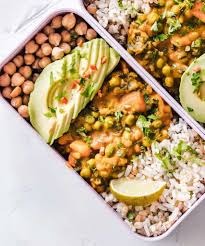
Having the right ingredients is crucial for successful meal prep plant based. Start with whole grains such as brown rice, quinoa, oats, and whole wheat pasta. These provide long-lasting energy and are easy to cook in bulk. Legumes like lentils, chickpeas, and black beans are excellent sources of plant-based protein and can be used in a variety of dishes. Fresh vegetables such as spinach, broccoli, carrots, and bell peppers add essential nutrients and flavor to your meals. Fruits like berries, bananas, and apples are perfect for snacks and smoothies. Nuts and seeds, including almonds, chia seeds, and flaxseeds, provide healthy fats and additional protein. Plant-based milk alternatives such as almond milk or soy milk are also useful for recipes. Don’t forget spices and herbs like turmeric, cumin, garlic, and basil, which enhance flavor without adding extra calories. Keeping these ingredients stocked makes meal prepping easier and ensures that your meals are both nutritious and delicious.
How to Plan Your Weekly Meals
Planning is the foundation of effective meal prep plant based. Start by deciding how many meals you need for the week, including breakfast, lunch, dinner, and snacks. Choose recipes that are simple, nutritious, and use similar ingredients to save time and money. Create a grocery list based on your meal plan to avoid unnecessary purchases. It is helpful to select meals that can be stored easily and reheated without losing flavor or texture. Batch cooking is an important strategy, where you prepare large quantities of food at once. For example, you can cook a big pot of quinoa or lentils and use it in different meals throughout the week. Make sure to include a variety of foods to keep your meals interesting and balanced. Planning ahead not only saves time but also helps you stay committed to your plant-based diet and avoid unhealthy choices.
Easy Plant-Based Meal Prep Recipes
Simple recipes are key to maintaining a consistent meal prep routine. One popular option is a quinoa vegetable bowl, which includes cooked quinoa, roasted vegetables, and a tahini dressing. Another easy recipe is lentil curry, which is rich in protein and flavor and can be stored for several days. Chickpea salad is a quick and refreshing option that requires minimal cooking. You can also prepare overnight oats for breakfast by combining oats, plant-based milk, and fruits. Smoothie packs are another convenient idea, where you pre-portion fruits and vegetables for quick blending. Stir-fried vegetables with tofu is a versatile dish that can be customized with different sauces and spices. These recipes are not only easy to prepare but also nutritious and satisfying. By incorporating a variety of dishes, you can enjoy delicious meals without getting bored.
Storage Tips for Meal Prep
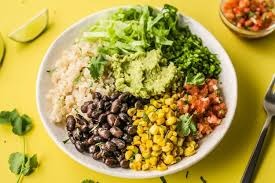
Proper storage is essential for maintaining the freshness and quality of your meal prep plant based dishes. Use airtight containers to prevent food from spoiling and to retain flavor. Glass containers are a great option because they are durable and safe for reheating. Label your meals with dates to keep track of freshness and ensure you consume them within a safe time frame. Most plant-based meals can be stored in the refrigerator for up to 4–5 days. For longer storage, consider freezing meals such as soups, stews, and curries. Make sure to cool your food before storing it to avoid condensation and bacterial growth. Organize your fridge in a way that makes it easy to access your meals. Proper storage not only extends the shelf life of your food but also ensures that your meals remain safe and enjoyable to eat.
Time-Saving Meal Prep Strategies
Efficiency is key when it comes to meal prep plant based. One effective strategy is batch cooking, where you prepare large portions of staple foods like grains and legumes. Another tip is to chop vegetables in advance and store them in the fridge for quick use. Using kitchen tools such as a food processor or instant pot can significantly reduce cooking time. Multitasking is also helpful; for example, you can cook grains while roasting vegetables in the oven. Preparing sauces and dressings in advance saves time during the week. Keeping your kitchen organized and clean makes the process more enjoyable and efficient. By implementing these strategies, you can complete your meal prep in just a few hours and have healthy meals ready for the entire week.
Budget-Friendly Plant-Based Meal Prep
Meal prep plant based can be very affordable if done correctly. Buying ingredients in bulk is one of the best ways to save money. Staples like rice, beans, and oats are inexpensive and have a long shelf life. Seasonal fruits and vegetables are usually cheaper and fresher, making them a great choice. Avoid processed plant-based products, as they can be expensive and less nutritious. Cooking at home instead of eating out significantly reduces expenses. Planning your meals and sticking to a grocery list helps prevent overspending. You can also repurpose leftovers into new meals to minimize waste. With careful planning, a plant-based diet can be both nutritious and budget-friendly.
Common Mistakes to Avoid
Many beginners make mistakes when starting meal prep plant based. One common mistake is not planning properly, which leads to wasted food and time. Another issue is preparing meals that lack variety, causing boredom and making it harder to stick to the routine. Overcomplicating recipes can also be discouraging, especially for beginners. It is important to start simple and gradually try new dishes. Not storing food properly can result in spoilage and health risks. Some people also forget to include enough protein in their meals, which is essential for balanced nutrition. By avoiding these mistakes, you can create a sustainable and enjoyable meal prep routine.
Meal Prep for Weight Loss
Plant-based meal prep is highly effective for weight loss. Foods like vegetables, fruits, and whole grains are low in calories but high in nutrients, helping you feel full without overeating. Preparing meals in advance allows you to control portion sizes and avoid unhealthy snacks. Including protein-rich foods like lentils and chickpeas helps maintain muscle mass and keeps you satisfied. Drinking plenty of water and avoiding sugary drinks also supports weight loss. Consistency is key, and meal prepping makes it easier to stay on track with your goals. By following a structured plan, you can achieve sustainable weight loss and improve overall health.
Building a Sustainable Routine
Creating a long-term meal prep plant based routine requires consistency and flexibility. Start with small steps and gradually build your routine. Choose a specific day for meal prepping, such as Sunday, to prepare for the week ahead. Keep your meals simple and enjoyable to avoid burnout. Experiment with new recipes and ingredients to keep things interesting. Stay organized and track your progress to stay motivated. It is also important to listen to your body and adjust your meals according to your needs. Building a sustainable routine ensures that you maintain healthy eating habits for the long term.
FAQs
1. What is meal prep plant based?
It is the practice of preparing plant-based meals in advance using whole foods like vegetables, grains, and legumes.
2. How long can plant-based meals last?
Most meals last 4–5 days in the fridge and longer if frozen.
3. Is plant-based meal prep expensive?
No, it can be very affordable with proper planning and bulk buying.
4. Can I get enough protein?
Yes, from sources like lentils, beans, tofu, and nuts.
5. Is it good for weight loss?
Yes, it helps control portions and promotes healthy eating.
Conclusion
Meal prep plant based is a powerful approach to achieving a healthier and more organized lifestyle. By planning your meals, choosing the right ingredients, and following simple strategies, you can enjoy nutritious food without stress. It saves time, reduces costs, and supports long-term health goals. Whether you are new to plant-based eating or looking to improve your routine, meal prepping makes the journey easier and more enjoyable. Start small, stay consistent, and you will experience the benefits over time.
